The non-profit advantage

QBI is an independent non-profit research institute, which grants it the capacity to pursue scientific discovery without competing external pressures. This freedom is essential, since the outcomes of experiments are not known in advance, making time frames for commercialization and positive impact difficult to predict.

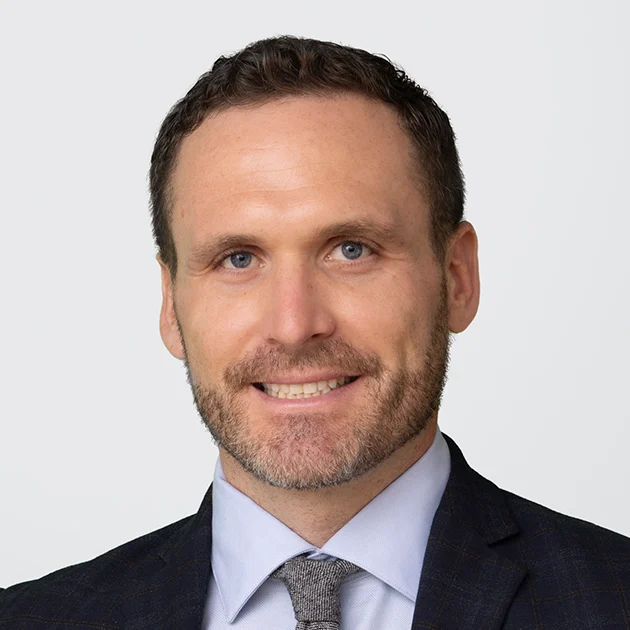
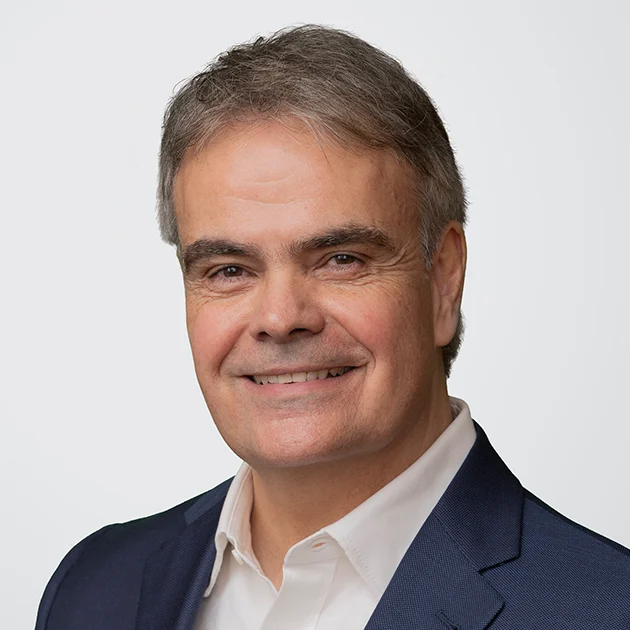
Meet the Quantum Biology Institute Team

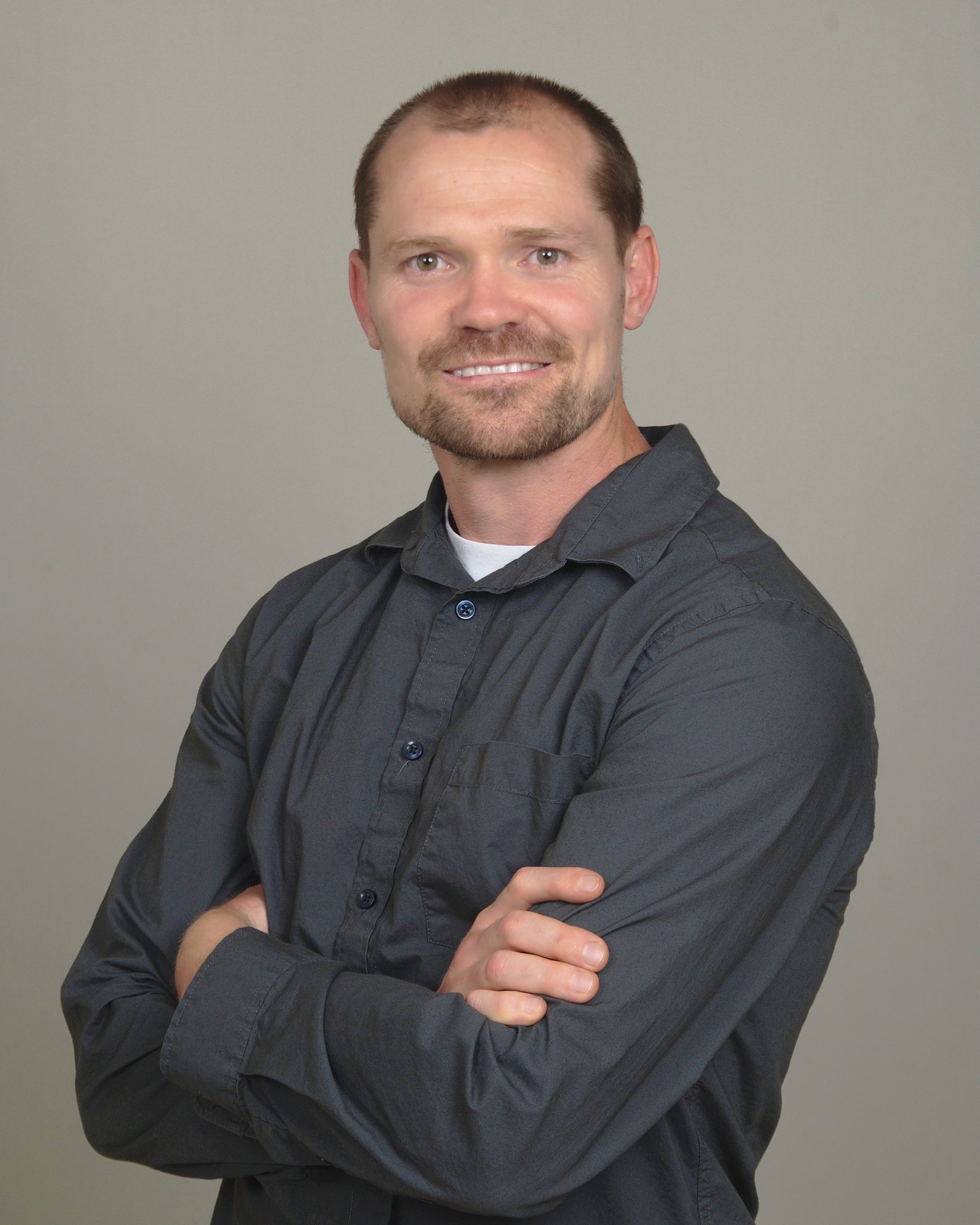
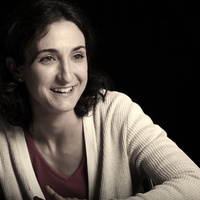
Dr. Clarice D. Aiello
CSO/Quantum engineer
Clarice is a quantum engineer interested in how quantum physics informs biology at the nanoscale. Born and raised in Brazil, Clarice obtained a Diplome d'Ingenieur in Physics from the Ecole Polytechnique in France and an M.Phil. in Physics from the University of Cambridge, Trinity College, in England; she received her Ph.D. from MIT in Electrical Engineering. She further held postdoctoral appointments in Bioengineering at Stanford, and in Chemistry at Berkeley.
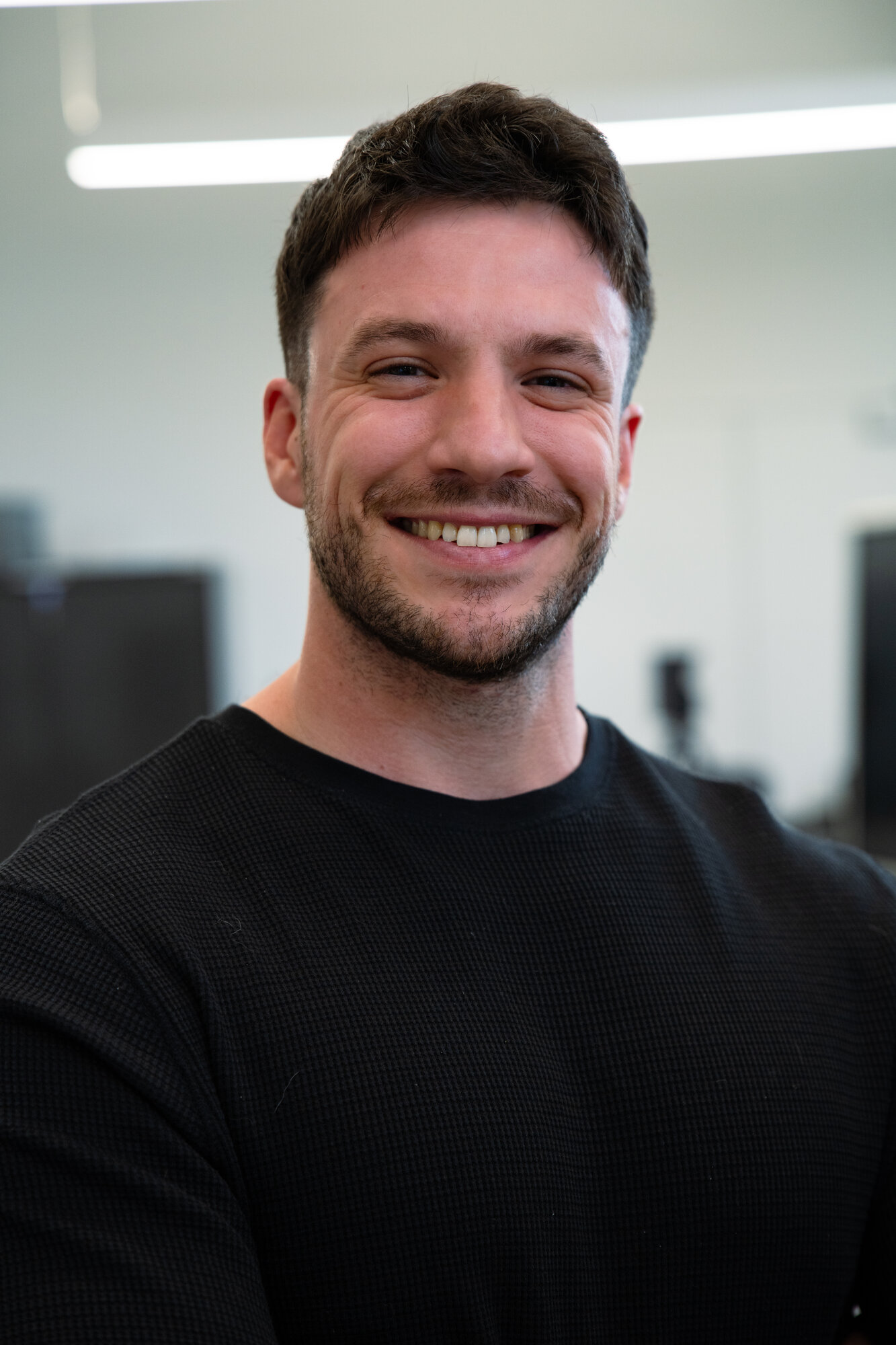
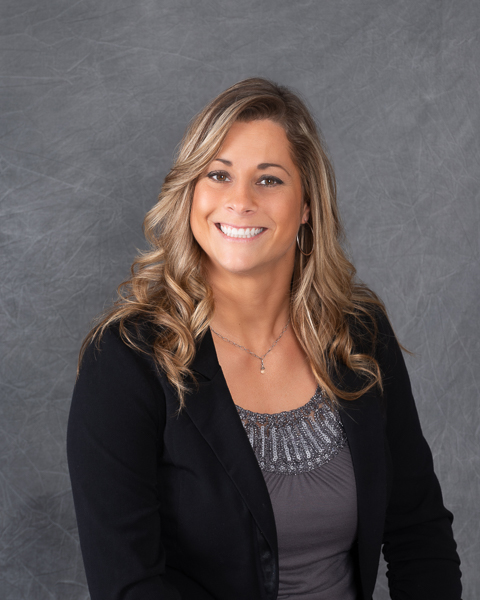
Jennilyn Gaitan
Head of Operations
Jennilyn Gaitan graduated with a Bachelor of Science in Electronic Media and Film from Towson University. Since 2004, she has worked in various administrative and operational roles across multiple industries, including retail, higher education, photography, real estate, and small business operations. Jennilyn has a passion for creating and refining the systems and processes that businesses use, to run most efficiently, which has been a hallmark of her career. In November 2023, Jennilyn joined the Quantum Biology Institute, contributing her expertise to the administration and operations of the Institute.
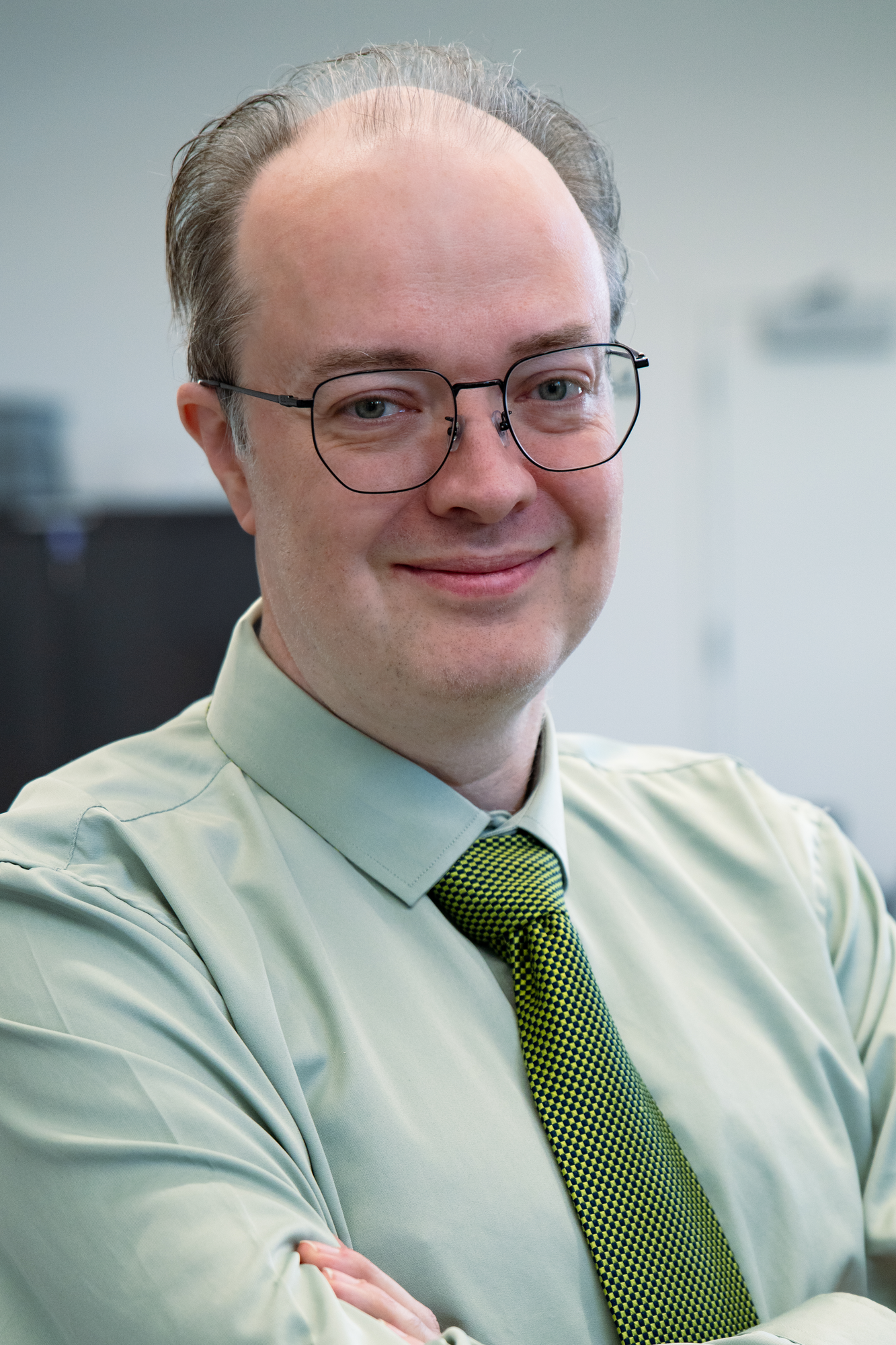
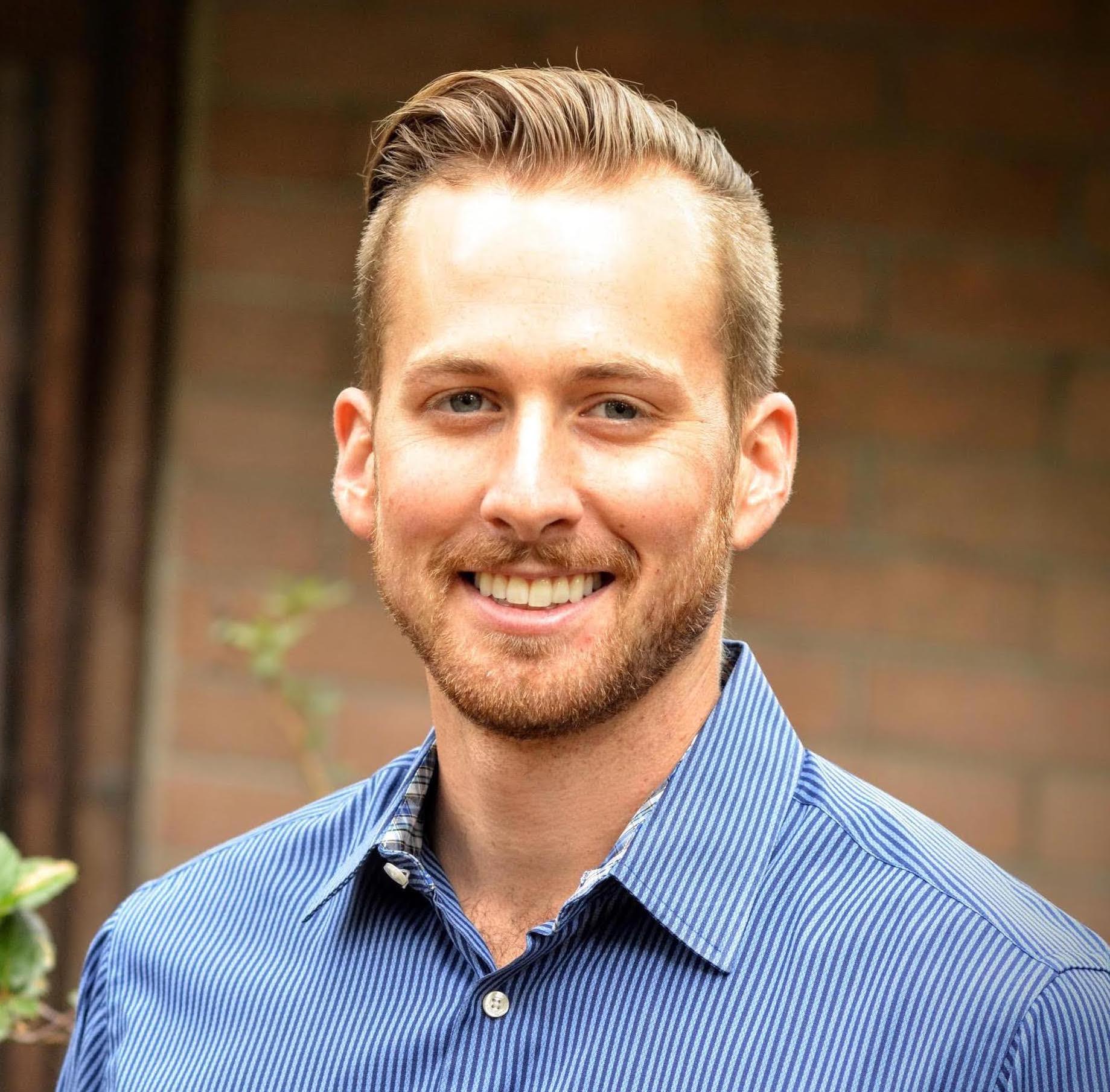
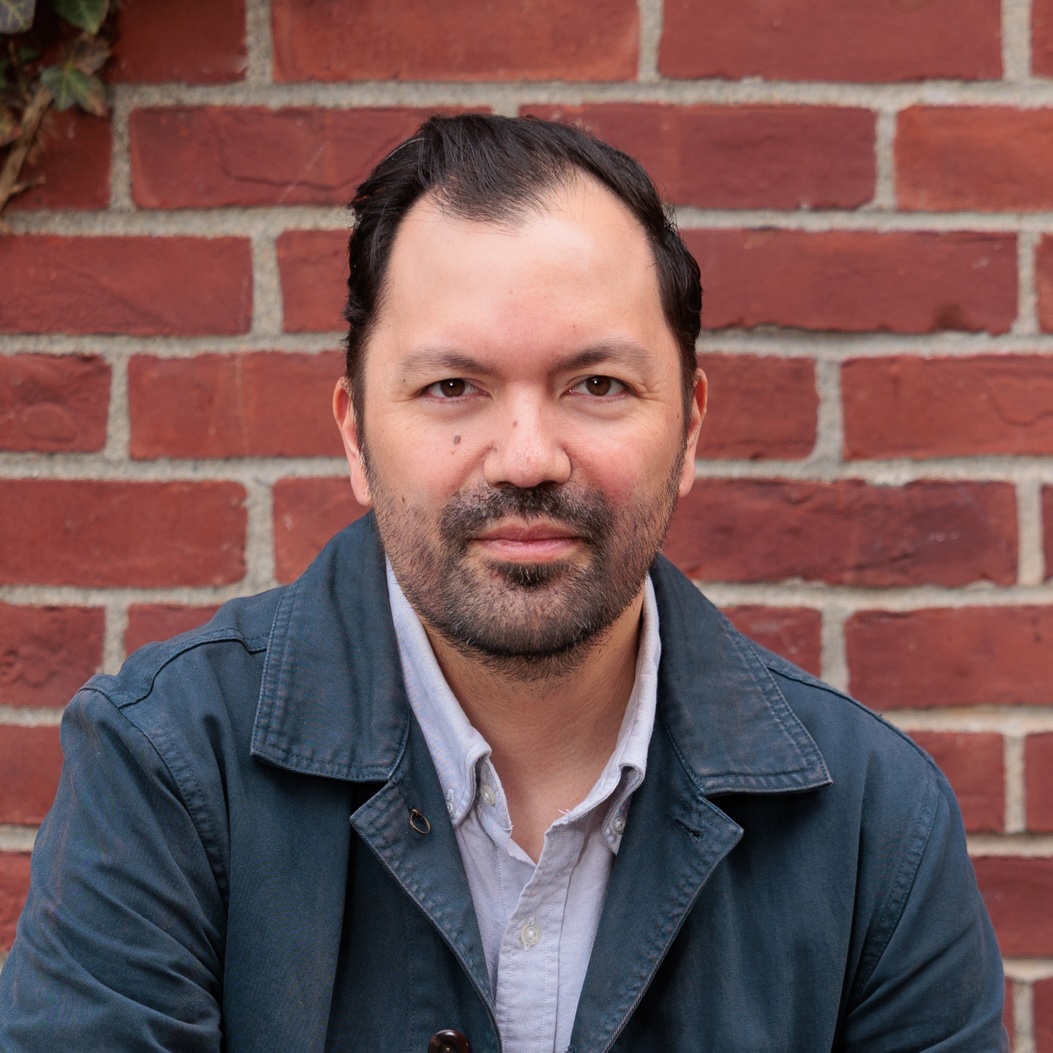
Dr. Michael Montague
Microbiologist
Dr. Michael Montague's research at the Quantum Biology Institute is focused upon the direct experimental testing of the Quantum Biology Hypothesis (that life on Earth is universally and profoundly affected by quantum mechanical phenomena, most notably electron spin sensitive biochemical reactions and protein states influenced by weak magnetic fields). He is testing this hypothesis with a top-down multi-omics approach involving microbial model organisms across all three domains of life (Archaea, Bacteria, and Eukaryotes). Dr. Montague's fields of expertise include, Synthetic Biology, Genomics, Bioinformatics, and Biosecurity. He received is PhD in Microbiology from UNC Chapel Hill in 2005.
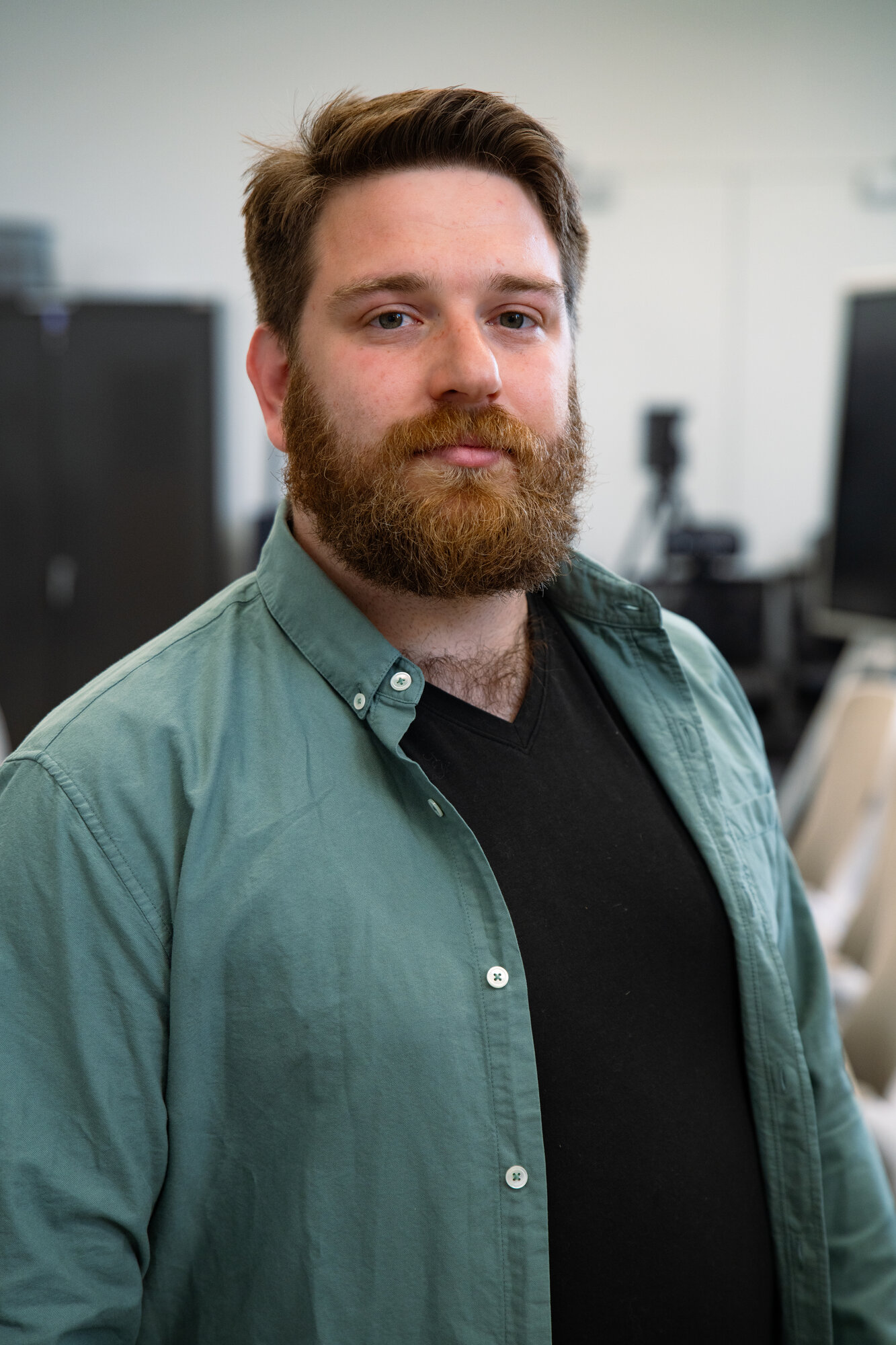
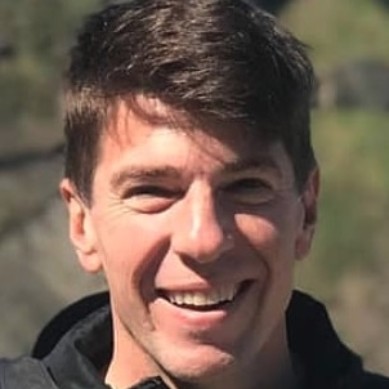
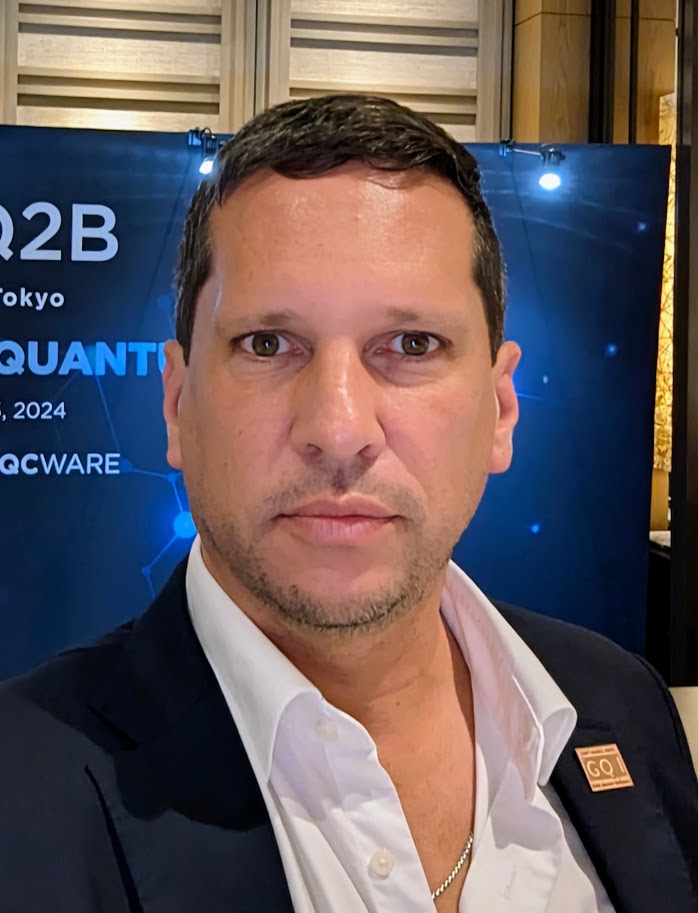
Dr. Alessandro Lodesani
COO/Head of Engineering
Alessandro Lodesani is the Institute's Chief Operating Officer, overseeing its daily research operations. With a strong background in physics and engineering, combined with extensive experience in biology research, Alessandro focuses on designing innovative devices and optimizing lab processes. Originally from Italy, Alessandro earned a Bachelor's in Mechanical Engineering and a PhD in Physics, graduating with honors from the Polytechnic University of Milan, with a specialization in spintronics and molecular interfaces. His previous research at MIT focused on topological qubits and superconducting thin films, where he successfully developed the world's most efficient superconducting diode platform. Alessandro then joined the Institute in its early days at UCLA, where he led several projects investigating the influence of weak magnetic fields on biological systems.

Meet the Scientific Advisory Council

Dr. John Smith
Senior Research Scientist
Dr. John Smith has over 15 years of experience in environmental science, focusing on climate change and its impact on biodiversity. He has published numerous papers in peer-reviewed journals and is a sought-after speaker at international conferences.
Dr. Jane Doe
Biochemist
Dr. Jane Doe specializes in molecular biology and biochemistry, with a focus on drug development. Her innovative research has led to breakthroughs in cancer treatment, and she is actively involved in mentoring young scientists.
Professor Alex Johnson
Professor of Physics
Professor Alex Johnson is a leading physicist known for his work in quantum mechanics. He has received several awards for his contributions to the field and is dedicated to educating the next generation of scientists.
Dr. Emily Wang
Ecologist
Dr. Emily Wang's research focuses on ecosystem dynamics and conservation strategies. She collaborates with various organizations to promote sustainable practices and protect endangered species.
Dr. Michael Brown
Neuroscientist
Dr. Michael Brown studies the human brain and its functions, particularly in relation to memory and learning. His research has implications for understanding neurological disorders and improving educational methods.
Dr. Sarah Lee
Geneticist
Dr. Sarah Lee is a geneticist who explores the genetic basis of diseases. Her work has contributed to advancements in personalized medicine and she actively participates in public outreach to educate about genetics.
Dr. David Kim
Mathematician
Dr. David Kim specializes in applied mathematics and its applications in engineering. He has published extensively and is known for his innovative approaches to solving complex problems.
Dr. Anna Taylor
Chemist
Dr. Anna Taylor's research focuses on sustainable chemistry and the development of green technologies. She is passionate about reducing environmental impact through innovative chemical processes.
Dr. Ryan Miller
Statistician
Dr. Ryan Miller is a statistician who applies statistical methods to public health research. His work helps inform policy decisions and improve health outcomes in communities.
Dr. Linda Garcia
Environmental Scientist
Dr. Linda Garcia studies the effects of pollution on ecosystems. She advocates for environmental protection and works with communities to promote sustainable practices.

Meet the Board

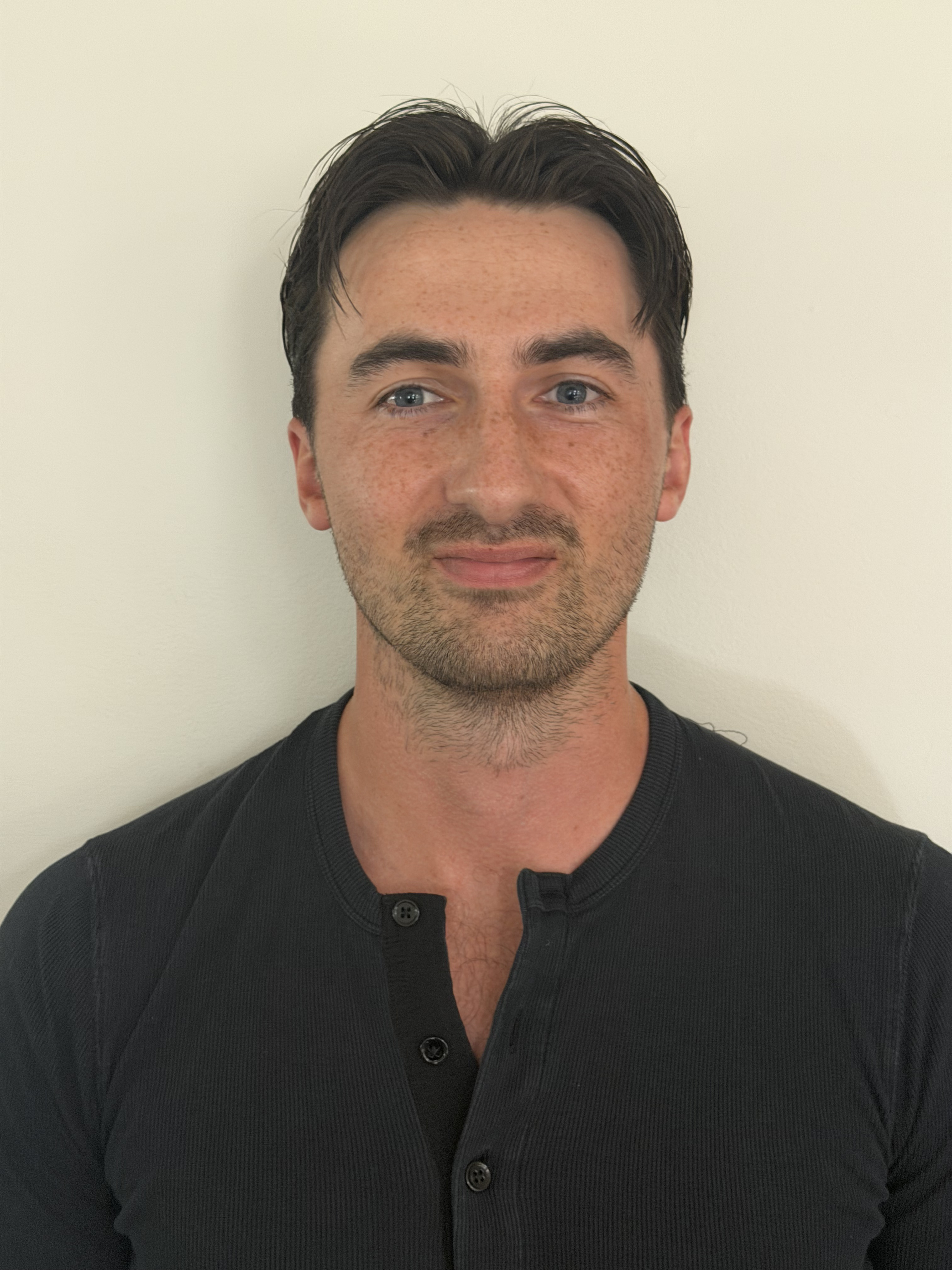
Dr. Geoff Anders
Acting CEO
Geoff Anders is the founder and CEO of Leverage, a research institute established in 2011 to support revolutionary scientific research. With a background in philosophy and social science, he leads Leverage’s internal research and helps external research teams organize to make important scientific breakthroughs. His recent work focuses on the intersection of philosophy, science, and history, as it pertains especially to introspection, cognitive science, and artificial intelligence. Geoff is now the CEO of the Quantum Biology Institute and holds a PhD in Philosophy from Rutgers University and a BS in Economics from the Wharton School at the University of Pennsylvania.
Dr. Clarice D. Aiello
CSO/Quantum engineer
Clarice is a quantum engineer interested in how quantum physics informs biology at the nanoscale. Born and raised in Brazil, Clarice obtained a Diplome d'Ingenieur in Physics from the Ecole Polytechnique in France and an M.Phil. in Physics from the University of Cambridge, Trinity College, in England; she received her Ph.D. from MIT in Electrical Engineering. She further held postdoctoral appointments in Bioengineering at Stanford, and in Chemistry at Berkeley.

Our Values

We are pioneers in an emerging, multi-disciplinary field where engaging both scientists and the public are essential for our success. We expect to meet the scientific and political challenges we face with grace and professionalism.

Scientific Rigor

For scientific work to be trusted, it must be conducted with the utmost rigor. Alternative hypotheses must be identified and tested. Conditions must be carefully controlled and experiments must be repeated. Conclusions must be supported by careful reasoning from expertly gathered data.

Transparency

Institutions earn trust through transparency and results. We intend to share not only our data, but many facts about QBI’s operations in general, both with external scientists and the public at large.

Professionalism

People work together best in an atmosphere of mutual respect and professionalism. Through our interactions with each other and external parties, we hope to foster a welcoming environment for everyone with an interest in quantum biology.

Authenticity

Authenticity is at the heart of our work. We respect the unique qualities and perspectives each person brings to the team.

Interdisciplinarity is at the core of quantum biology

Quantum biology needs physicists, biologists, chemists and engineers working together. We are pioneering an unprecedented model of interdisciplinary collaboration.